
Leading Choices In Foundation Repair Supplies For Home Improvement
Compare top foundation repair supplies that help homeowners and contractors achieve solid, dependable results.
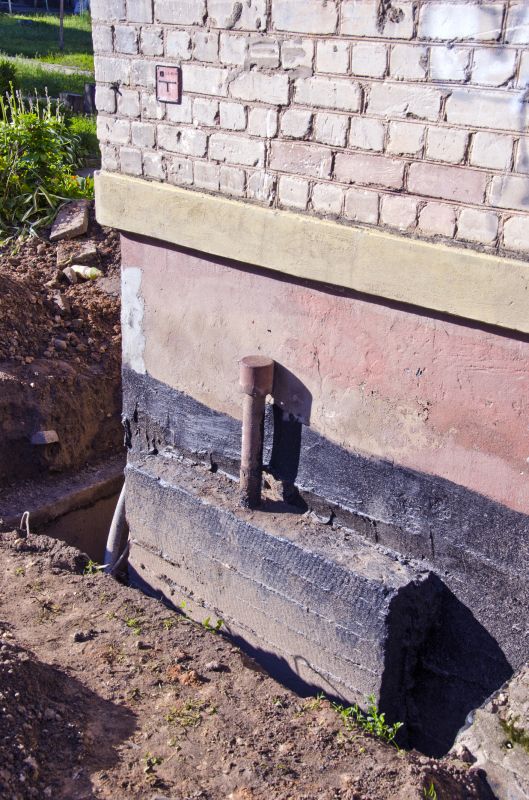 Foundation repairs are a critical aspect of maintaining the structural integrity of a building, especially in areas like Covington, KY, where soil conditions and weather patterns can influence foundation stability. When considering foundation repair products, it is important to understand the variety of solutions available to address different types of issues such as settling, cracking, or shifting. These products are designed to reinforce, stabilize, and restore the foundation's strength, helping to prevent further damage and ensure safety.
Top Overall Option
Adjustable Foundation Support Systems
Adjustable foundation support systems are versatile solutions that can be tailored to various foundation types and issues. They typically consist of piers or posts that can be hydraulically or mechanically adjusted to lift and stabilize a sinking or settling foundation. These systems are designed for easy installation and future adjustments, making them a popular choice for ongoing maintenance and repair projects. Their adaptability allows homeowners and professionals to address a range of foundation concerns effectively while minimizing disruption to the property.
Types of Products For Foundation Repairs
Push Piers
Push piers are driven into the soil beneath the foundation to provide stable support, helping to lift and stabilize the structure.
Helical Piers
Helical piers are screwed into the ground and are suitable for supporting and stabilizing foundations on variable soil conditions.
Underpinning Systems
Underpinning involves reinforcing existing foundation elements to improve stability and prevent further settling.
Slab Jacking
Slab jacking involves injecting a grout mixture beneath a concrete slab to lift and level it.
Mudjacking
Mudjacking is a technique that raises sunken concrete by pumping a mixture of soil, cement, and other materials beneath it.
Carbon Fiber Reinforcement
Carbon fiber strips are used to reinforce cracked concrete and prevent further damage.
Soil Stabilization Products
These products are used to improve soil strength and reduce movement that can affect the foundation.
Waterproofing Membranes
Waterproof membranes help prevent water infiltration, which can weaken soil and foundation materials.
Drainage Systems
Proper drainage solutions divert water away from the foundation to reduce soil erosion and pressure.
Injection Resins
Resins are injected into cracks or voids to bond and stabilize the foundation material.
Foundation Repair Anchors
Anchors are used to stabilize bowing or leaning basement walls.
Crack Repair Sealants
Sealants fill and seal cracks in concrete or masonry to prevent water intrusion and further deterioration.
Popular Choices
Hydraulic push piers are commonly used for supporting and lifting sinking foundations, offering adjustable support.
Helical piles are favored for their quick installation and suitability for various soil conditions.
Slab jacking is a minimally invasive method to lift and level sunken concrete slabs.
Carbon fiber strips are frequently used to reinforce cracked basement walls and prevent further cracking.
Waterproofing membranes are essential for protecting foundations from water damage and erosion.
Effective drainage systems are popular for managing water flow around foundations.
Injection resins are widely used for filling voids and stabilizing foundation cracks.
Anchors help stabilize bowing or leaning foundation walls, often used in basement repairs.
Sealants are a common choice for sealing minor cracks and preventing water intrusion.
Soil stabilization materials are frequently used to improve soil conditions around the foundation.
Many foundation repair products are engineered for specific problems, including underpinning systems that provide additional support beneath the foundation, or hydraulic piers that lift and stabilize sinking structures. Proper selection depends on the nature of the damage, the foundation type, and the soil conditions. It is often recommended to consult with a professional to assess the situation accurately and recommend suitable products.
The durability and compatibility of repair products are essential considerations. High-quality materials that resist corrosion, withstand soil pressure, and adapt to environmental changes tend to offer longer-lasting solutions. Additionally, ease of installation and the potential for future adjustments can influence the decision-making process. When choosing products, homeowners and contractors alike should prioritize safety, reliability, and suitability for the specific foundation issues encountered.
In the context of Covington, KY, where weather patterns can lead to soil expansion and contraction, selecting products designed to accommodate such movements can be particularly beneficial. Regular inspections and maintenance, combined with the right repair products, can help prolong the lifespan of a foundation and maintain the overall stability of a property.
Key Buying Considerations
- Assess the specific foundation issue to determine the appropriate repair product or system.
- Consider the soil conditions and how they may influence the choice of repair solutions.
- Evaluate the load-bearing requirements to ensure the product can support the structure adequately.
- Check the durability and resistance to environmental factors such as moisture and corrosion.
- Determine if the product allows for future adjustments or modifications if needed.
- Review installation requirements and whether professional assistance is recommended or necessary.
- Consider the long-term maintenance needs of the repair system.
- Ensure compatibility with existing foundation materials and construction methods.
- Review safety features and ease of use during installation and future repairs.
- Research the product's track record and user feedback for reliability insights.
- Verify that the product meets local building codes and regulations.
- Factor in the potential impact on property value and structural safety.
- Estimate the overall cost, including installation and potential future repairs.
- Look for products with clear warranties or guarantees for peace of mind.
- Consult with foundation repair specialists for tailored recommendations.